Business Name: BeeHive Homes of Bosque Farms
Address: 1935 Bosque Farms Blvd, Bosque Farms, NM 87068
Phone: (505) 357-0505
BeeHive Homes of Bosque Farms
Beehive Homes of Bosque Farms assisted living care is ideal for those who value their independence but require help with some of the activities of daily living. Residents enjoy 24-hour support and caring assistance, private rooms and home-cooked meals. Assisted living should feel like home. Welcome home!
1935 Bosque Farms Blvd, Bosque Farms, NM 87068
Business Hours
Monday thru Sunday: 9:00am to 5:00pm
Facebook: https://www.facebook.com/BeehiveHomesBosqueFarms
Families hardly ever begin exploring senior care because life is calm and simple. Typically there has been a fall, a hospitalization, a roaming occurrence, or a quiet realization that a spouse or adult child is stressing out. Emotions run high, decisions feel permanent, and the marketplace of choices can appear like a labyrinth: intimate small homes, stretching resort-style schools, specialized memory care, short-term respite care, and everything in between.
This guide concentrates on an option lots of families wrestle with: a small home assisted living environment compared to large, resort-style senior living complexes. Both designs can supply high quality elderly care. Both can also fail terribly if the match between resident and setting is wrong.
I have actually walked hundreds of families through this decision. The best outcomes practically never originated from going after the prettiest lobby. They originate from understanding trade-offs, seeing past the marketing language, and lining up a neighborhood's style with a resident's real day-to-day needs.
Two Really Various Models of Assisted Living
Assisted living is a broad term. In practice, it covers whatever from a six-bed home on a peaceful cul-de-sac to a 300-unit complex with several restaurants and a sports bar. Both may lawfully be "assisted living," yet they feel as various as a bed and breakfast and a cruise ship.
What "little home" assisted living normally looks like
Small home assisted living, sometimes called residential care homes, board-and-care, or group homes, typically includes a regular home that has been adapted for elderly care. Licensing rules vary by state, but much of these homes serve in between 4 and 16 residents.
The environment tends to be informal. You might discover:
- A single open kitchen where personnel prepare meals in view of residents A shared living room with comfortable furnishings instead of rows of armchairs Bedrooms that feel like regular bedrooms rather than hotel systems A small lawn or outdoor patio rather of landscaped walking trails
Care staff are usually never far away. The exact same caretaker may assist someone wake, gown, shower, and eat breakfast. Routines bend around private locals more quickly since there are simply less people to coordinate.
Families who tour often state, "This feels like a home, not a facility." For some locals, that familiarity decreases anxiety and supports a gentler transition out of independent living.
What resort-style senior living complexes generally offer
Resort-style complexes can include assisted living, independent living, and sometimes memory care and experienced nursing on the very same campus. It is common to see several hundred citizens across multiple structures. The physical plant resembles a hotel, resort, or upscale condominium community.
These communities emphasize features and lifestyle: several dining venues, lecture halls, swimming pools, health clubs, beauty parlor, chapels, and scheduled transportation. Activity calendars can run several pages long. The environment feels busy and social.
Care still matters, obviously, however it exists inside a larger hospitality framework. Personnel roles are more segmented. Dining staff serve meals, activities personnel run programs, and care assistants visit homeowners in their homes based on set up care plans.
Some households tour these communities and believe, "I would like to live here myself." Others, particularly those looking after frailer parents, fret that the scale and pace might overwhelm their enjoyed one.
Both impressions can be right, depending on the individual who will live there.
A Side-by-Side Look: Scale, Staffing, and Daily Life
Because marketing materials blur distinctions, it assists to compare crucial elements in an uncomplicated way.
Here is an at-a-glance contrast of common distinctions, keeping in mind that private communities can vary:
Size and layout Staffing patterns Social environment Flexibility of regimens Medical and care complexitySmall homes often imply shorter corridors, less faces to discover, and a constant rhythm everyday. Resort-style complexes mean more choices, more individuals, and more range in between a resident's front door and any provided amenity.
Families often ignore how stressful long corridors can end up being after a hospitalization or surgical treatment. I have enjoyed locals who when strolled the entire shopping center unexpectedly restrict themselves to the coffee shop downstairs simply due to the fact that it is more detailed and they feel safer.

On the other hand, I have likewise watched reasonably robust 80-year-olds flourish in a busy, resort-like setting, taking up water aerobics, bridge, and language classes that just would not exist in a small home.
Assisted Living: When Each Setting Fits Best
Assisted living, in theory, is for elders who do not require 24-hour nursing however can not live fully separately. In practice, assisted living communities serve a wide variety of residents.
Residents who typically flourish in little homes
A small home model typically works well for people who:
- Tire easily or have limited movement Feel distressed or confused in crowds Need regular hints or guidance Prefer quiet, familiar surroundings
Residents with moderate cognitive problems, including early to mid-stage dementia, can feel much safer in a smaller sized, consisted of environment where everybody knows their practices. Personnel are most likely to discover subtle changes: a smaller cravings, a new cough, or rising confusion in the late afternoon.
I remember one gentleman with Parkinson's who had actually moved from a big, elegant complex into a 10-bed home after multiple falls. In the larger setting, staff were kind but simply might not see him as often as he required. In the little home, his caretaker would hear his walker bump the doorframe and show up before he could lose his balance entirely. The change in fall frequency was dramatic.
Residents who often flourish in resort-style assisted living
Resort-style settings fit residents who:
- Are still relatively mobile and socially inclined Enjoy structured activities and planned trips Value a sense of independence and personal privacy Want range in food and entertainment
Someone who has always been a "joiner" might discover the little scale of a residential home suppressing. For example, a retired teacher who liked committees and neighborhood theater might feel energized by a big book club, a drama group, and weekly lectures. A big campus can offer a practically collegiate environment, as long as the resident can physically and cognitively gain access to what is offered.
The crucial judgment is not age, but practical status and character. Two 88-year-olds can have hugely different needs. One might be taking yoga classes and arranging a knitting circle. The other might be recuperating from a stroke and terrified by unknown surroundings.
Memory Care Considerations in Each Setting
Many households look for assisted living when early signs of dementia appear. Memory care is a specific type of senior care created for individuals with Alzheimer's illness and other dementias, and it is used both in small homes and in big resort-style complexes.
Memory care in little home settings
In a small home, memory care frequently integrates into the general assisted living environment rather than existing as a different locked system. This can work well for:
Residents in early to mid-stage dementia who are calm, not prone to wandering, and gain from steady, foreseeable faces. The little scale reduces overstimulation. Staff can quickly redirect someone heading toward the incorrect bed room or attempting to exit.
However, as dementia progresses, safety needs may magnify. Not all residential care homes are equipped for noticable behavioral difficulties, such as hostility, extreme roaming, or frequent attempts to leave the residential or commercial property. Families must ask very concrete concerns about how the home manages these scenarios and what might prompt a transfer to a greater level of care.
Memory care in resort-style communities
Large campuses typically have actually committed memory care systems, sometimes with secured gardens, specialized activity programs, and personnel trained in dementia communication strategies. These units can offer:
Structured programs tailored to cognitive capability, such as music therapy, sensory spaces, or small group activities tuned to much shorter attention periods. Architecturally, they may include circular hallways to permit safe roaming, high-contrast design features that make navigation simpler, and additional safety technology.
The trade-off is that memory care systems in big communities can feel more medical and institutional to some families. A resident moving from a private home directly into a locked unit might battle with the sense of restriction.
Among my previous customers, a typical course appeared like this: move first into assisted living on the primary school, engage totally while still able, then transition to the memory care wing when wandering or confusion make a secured setting much safer. That connection can alleviate the ultimate move, since staff, routines, and the general environment stay somewhat familiar.
Respite Care: Trying Choices Without Committing Immediately
Respite care, a short-term remain in a senior neighborhood, can be indispensable for families who are not all set to make a permanent choice. Some use it when a primary caretaker requires surgical treatment or rest. Others utilize it as a "trial run" to see how a parent adapts to assisted living.
Both little homes and resort-style complexes may provide respite care, however the experience can differ.
In a small home, respite citizens generally join the complete day-to-day routine from day one. Personnel rapidly find out choices because there are so couple of individuals to track. Families inform elderly care me they value the direct feedback from caregivers, who frequently provide candid insights into just how much aid the individual truly needs.
In a resort-style neighborhood, respite visitors might stay in a provided home, attend group activities, and dine together with long-term homeowners. This can offer families a sensible picture of whether the scale and rate fit their loved one. Some discover that a parent who appeared introverted at home becomes more social when activities and social contact are easy to access.
Respite care also reveals concealed problems. For instance, a kid might think his mother requires only light cueing, but during respite stay, personnel might discover she can not securely handle medications or navigate back to her room from the dining-room without assistance. Those observations need to notify the last choice of setting.
Cost and Worth: How Prices Designs Differ
Both little homes and resort-style complexes operate in a private-pay market in many regions, though some accept Medicaid or other subsidies. Families typically fixate on the base rate, however true cost emerges from the details of the care strategy and what is included.
Small homes typically charge an extensive rate that covers space, board, standard individual care, and activities. This simplicity makes budgeting easier. Nevertheless, there may be restricted tiers of care. If a resident's needs increase significantly, the home may not have the ability to provide the greater level of support, even if the family is willing to pay more.
Resort-style complexes usually separate real estate and hospitality costs from care costs. You may see a base lease for the apartment, a different "care level" cost based upon an evaluation, and added fees for services such as incontinence supplies or escort help to meals.

Families sometimes encounter "care creep": as requirements grow, regular monthly costs rise gradually. That is not necessarily a sign of price gouging. It shows real staffing time. But it can surprise families who budgeted only utilizing the initial base lease estimated on that first glossy brochure.
When comparing options, it helps to ask each provider to approximate predicted costs not just in the meantime, but for a practical circumstance 2 to 3 years ahead, assuming some decline. This future-focused view can alter the viewed value of each model.
Family Experience, Communication, and Transparency
A senior care decision affects the entire household, not just the resident. The method a neighborhood communicates, welcomes involvement, and deals with issues varies substantially in between little homes and large complexes.
In little homes, households typically have direct access to the owner or administrator. If a child notifications her father's t-shirt is often stained, she can raise the concern and likely get a same-day modification from the exact same caretaker who assists him each morning. Interaction tends to be informal and immediate.
The intimacy of the setting can, however, blur boundaries. Some households feel pressure to take part more than they can. Others discover it challenging if personality clashes arise, due to the fact that the swimming pool of personnel and citizens is so small.
In resort-style neighborhoods, interaction is more structured. Families may connect with numerous layers: care managers, nurses, activities personnel, and executive directors. Systems for care conferences, written updates, and official grievance processes are more common. This can feel professional and reassuring, however also more bureaucratic.
The finest indicator is not the variety of personnel titles, however the responsiveness to concerns and concerns. A big school that returns calls without delay, shares care notes easily, and invites households to take part in care preparation may support relatives better than a little home with minimal administrative resources. The reverse can likewise be true.
Safety, Oversight, and Staffing Realities
Safety concerns typically drive the decision to look for assisted living in the very first place. Each setting handles threat differently.
Small homes rely greatly on personnel attentiveness. With less residents and a compact layout, a caregiver can around "have eyes on" the majority of your home. This works well when staffing ratios are strong and turnover is low. It fails rapidly when one team member calls out ill or there is no backup coverage.
Large resort-style communities style security into the environment: call systems, locked stairwells, electronic cameras in common areas, sprinkler systems, and nurse stations. Nevertheless, the bigger footprint indicates that a resident who falls at one end of a corridor may wait longer for staff response if staffing levels dip.
Families in some cases presume that resort-style instantly implies more scientific care. That is not constantly precise. Assisted living regulations in many states limit the type of medical interventions permitted, regardless of community size. For more complex medical needs, such as feeding tubes or frequent injections, a knowledgeable nursing center might be required.
One useful step is to ask about staffing ratios by shift, not simply "24-hour staff." What looks robust during the day might thin out during the night. Likewise ask how the neighborhood covers emergency situations, such as numerous citizens needing assistance at once.
Questions To Ask When Touring Communities
Because marketing language often sounds similar, it helps to anchor your trips in specific, behavior-focused questions. During visits to both small home assisted living and resort-style complexes, think about asking:
- "If my loved one begins to wander or end up being more baffled, how would that change their care plan and monthly cost?" "Can you describe a recent circumstance where a resident's needs unexpectedly increased? How did you handle it?" "How do graveyard shift work here? The number of people are on task and what are they doing when homeowners are asleep?" "If I call with an issue, who calls me back and in what timeframe?" "What are typical factors you might ask a resident to transfer to a higher level of care?"
The answers often reveal more about culture and capability than any flyer or website.
Matching Personality, History, and Worths to the Setting
Beyond clinical needs and spending plans, the most effective positionings respect individual history and values.
A former farmer who invested decades in open fields might find a fenced garden in a small home more significant than an indoor pool. A retired executive accustomed to large companies and formal structures might feel at ease within a resort-style campus with committees and resident councils.
Cultural and linguistic fit matters as well. Little homes often form around specific language groups or cultural practices, using familiar foods and vacations. Big schools may have more variety in citizens and staff, which can be soothing or disorienting depending upon the individual.
Spiritual requirements ought to not be ignored. Some resort-style senior care neighborhoods host regular praise services throughout denominations. Others depend on going to clergy. Small homes may use more casual, resident-driven spiritual practices. Households ought to ask how each setting supports these measurements of life.
Planning for Change Over Time
The hardest part of this choice is that it is made now, while the future trajectory stays unpredictable. A resident may remain steady for several years, or decrease rapidly after a single medical occasion. Great planning accepts that requirements will change.
Small home assisted living can be an exceptional environment for the middle chapters of elderly care, particularly for those needing constant personal attention. If health ends up being extremely intricate or habits end up being risky, a transition to memory care or experienced nursing may still be necessary.
Resort-style complexes that use a continuum of care permit "aging in location" on one school: independent living, assisted living, memory care, and sometimes nursing care. The resident might move systems, however the overarching neighborhood stays the same. This connection can spare families from duplicated searches and relocations.
There is no single right path. Some families deliberately begin in a smaller sized, calmer setting, understanding a later move is likely. Others pick a big school early to construct familiarity before dementia advances.
The most durable households evaluate the situation every year. They look honestly at changes in mobility, cognition, state of mind, and medical needs, and they weigh whether the present setting still fits.
Bringing It All Together
Choosing between a little home and a resort-style complex is less about selecting the "better" design and more about aligning realities.
If your loved one is socially inclined, relatively mobile, and stimulated by variety, a resort-style assisted living community may provide the stimulation and amenities that keep life rich. If they are quickly overwhelmed, delicate, or require close cueing throughout the day, a little home setting may provide the steadiness and intimacy that support dignity.
Ask detailed concerns, consider respite care as a low-risk trial, and pay attention to your own instincts during tours. Observe the citizens' faces, listen to personnel discussions, and envision your loved one not on their best day, but on a bad day, because environment.
The right choice is the one where both the resident and the family can breathe out a bit, understanding that care, security, and humanity are being held together, not separately.
BeeHive Homes of Bosque Farms provides assisted living care
BeeHive Homes of Bosque Farms provides memory care services
BeeHive Homes of Bosque Farms provides respite care services
BeeHive Homes of Bosque Farms supports assistance with bathing and grooming
BeeHive Homes of Bosque Farms offers private bedrooms with private bathrooms
BeeHive Homes of Bosque Farms provides medication monitoring and documentation
BeeHive Homes of Bosque Farms serves dietitian-approved meals
BeeHive Homes of Bosque Farms provides housekeeping services
BeeHive Homes of Bosque Farms provides laundry services
BeeHive Homes of Bosque Farms offers community dining and social engagement activities
BeeHive Homes of Bosque Farms features life enrichment activities
BeeHive Homes of Bosque Farms supports personal care assistance during meals and daily routines
BeeHive Homes of Bosque Farms promotes frequent physical and mental exercise opportunities
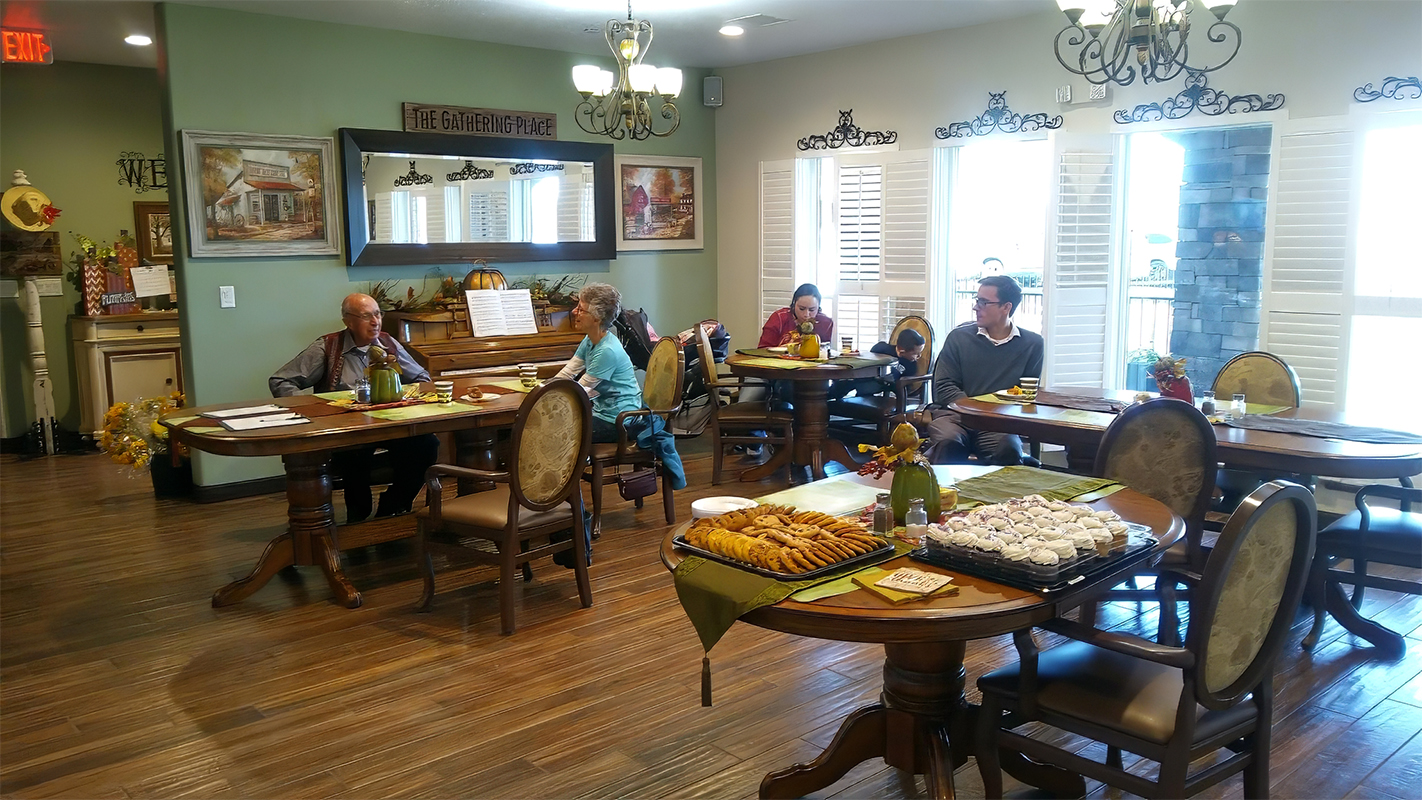
BeeHive Homes of Bosque Farms provides a home-like residential environment
BeeHive Homes of Bosque Farms creates customized care plans as residents’ needs change
BeeHive Homes of Bosque Farms assesses individual resident care needs
BeeHive Homes of Bosque Farms accepts private pay and long-term care insurance
BeeHive Homes of Bosque Farms assists qualified veterans with Aid and Attendance benefits
BeeHive Homes of Bosque Farms encourages meaningful resident-to-staff relationships
BeeHive Homes of Bosque Farms delivers compassionate, attentive senior care focused on dignity and comfort
BeeHive Homes of Bosque Farms has a phone number of (505) 357-0505
BeeHive Homes of Bosque Farms has an address of 1935 Bosque Farms Blvd, Bosque Farms, NM 87068
BeeHive Homes of Bosque Farms has a website https://beehivehomes.com/locations/bosque-farms/
BeeHive Homes of Bosque Farms has Google Maps listing https://maps.app.goo.gl/VeA8p86Gp4TSGBN7A
BeeHive Homes of Bosque Farms has Facebook page https://www.facebook.com/BeehiveHomesBosqueFarms
BeeHive Homes of Bosque Farms won Top Assisted Living Homes 2025
BeeHive Homes of Bosque Farms earned Best Customer Service Award 2024
BeeHive Homes of Bosque Farms placed 1st for New Mexico Senior Living Communities 2025
People Also Ask about BeeHive Homes of Bosque Farms
What is the monthly room rate at BeeHive Homes of Bosque Farms?
Monthly room rates are based on each resident’s individual care needs. Before move-in, we complete an initial evaluation to better understand the level of support, assistance, and daily care that may be needed. This helps us provide a clear monthly rate that reflects the resident’s personalized care plan. We believe families deserve honest conversations and transparent pricing, with no hidden costs or surprise fees.
Can residents stay at BeeHive Homes of Bosque Farms through the end of life?
In many cases, yes. Our goal is to help residents remain in the comfort of a familiar, homelike setting for as long as their needs can be safely and appropriately met. There may be exceptions if a resident requires a higher level of skilled nursing care, ongoing medical treatment beyond assisted living services, or if safety concerns arise. When those moments come, we work with families, physicians, and care partners to help guide the next step with compassion and clarity.
Does BeeHive Homes of Bosque Farms have a nurse on staff?
BeeHive Homes of Bosque Farms does not have a full-time nurse living on-site, but we do have access to a consulting nurse. If a resident needs additional nursing services, a physician may order home health services to come directly into the home. This allows residents to receive supportive care in a comfortable residential environment while still having access to outside clinical services when appropriate.
What are the visiting hours at BeeHive Homes of Bosque Farms?
We welcome family visits and understand how important it is for residents to stay connected with the people they love. Visiting hours are flexible and are adjusted around the needs of each resident and family. We simply ask that visits be respectful of residents’ routines, rest, meals, and the peaceful rhythm of the home — not too early, not too late, and always centered on what is best for the resident.
Are couples’ rooms available at BeeHive Homes of Bosque Farms?
Yes, BeeHive Homes of Bosque Farms may have rooms designed to accommodate couples, depending on availability. For many couples, staying together while receiving the right level of assisted living support can bring comfort, familiarity, and peace of mind. We encourage families to ask about current room options, availability, and how care plans can be personalized for each spouse.
What makes BeeHive Homes of Bosque Farms different from larger assisted living facilities near Albuquerque?
BeeHive Homes of Bosque Farms offers care in a smaller, residential-style setting rather than a large institutional facility. Nestled in the quiet village of Bosque Farms, just south of Albuquerque, our homes are designed to feel personal, peaceful, and familiar. Residents receive support with daily needs in a setting where caregivers can truly get to know their routines, preferences, and personalities. For families looking for assisted living near Albuquerque with a more intimate, homelike feel, BeeHive Homes of Bosque Farms offers a comforting alternative.
Is BeeHive Homes of Bosque Farms a good option for families in Los Lunas, Peralta, Belen, and Albuquerque?
Yes. BeeHive Homes of Bosque Farms is conveniently located in Valencia County and serves families throughout Bosque Farms, Los Lunas, Peralta, Belen, and the greater Albuquerque area. Its location on Bosque Farms Boulevard offers families a peaceful village setting while still being close enough for regular visits, appointments, and family involvement. For many families, that balance of quiet surroundings and nearby access makes BeeHive Homes of Bosque Farms a natural choice for assisted living and memory care.
Where is BeeHive Homes of Bosque Farms located?
BeeHive Homes of Bosque Farms is conveniently located at 1935 Bosque Farms Blvd, Bosque Farms, NM 87068. You can easily find directions on Google Maps or call at (505) 357-0505 Monday through Sunday 9:00am to 5:00pm
How can I contact BeeHive Homes of Bosque Farms?
You can contact BeeHive Homes of Bosque Farms by phone at: (505) 357-0505, visit their website at https://beehivehomes.com/locations/bosque-farms/ or connect on social media via Facebook
Bosque Farms Community Center offers open green space where residents in assisted living, memory care, senior care, elderly care, and respite care can enjoy peaceful outdoor relaxation.